

what to wear for headshots
“What do I wear” is the number one question I get regarding photo sessions, especially when it comes to family photo sessions or headshots.
When someone looks you up online, your headshot is often their first impression. Before they read your bio, before they see your portfolio, they see you.
The good news? Looking great in a headshot isn’t about having a perfect wardrobe or buying something new. It’s about understanding a few simple principles that help keep the focus exactly where it should be: on your face, your expression, and your presence.
If you remember nothing else, focus on these five areas: fit and comfort, color, fabric, comfort, and prep.
It’s difficult to give broad advice on what to wear for headshots because, obviously, everybody and every situation is different. What works well for one person’s complexion and the background their posing in front of won’t work for someone else. Also, there’s an exception for everything and you can never be 100% sure what’s going to look and feel the best in the moment.
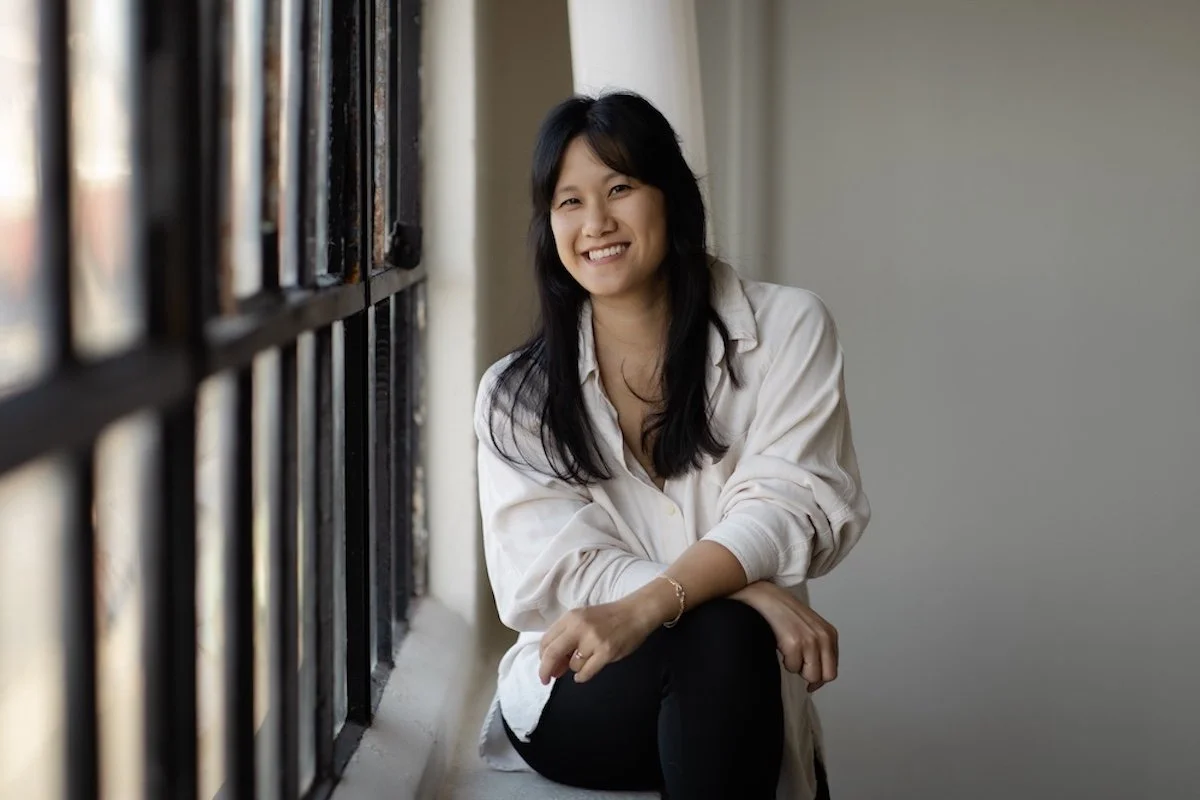
The Basics of what to wear for headshots
First, these are the high-level do’s and don’ts that I tell everyone when it comes to figuring out what to wear and preparing your clothes for headshots. If you don’t make it through this whole post, at least read this section.
Start with your “why”
Why am I getting new headshots done now?
How do I want to feel and come across in my photo?
What clothing, colors, or accessories portray what I want people to know about me as a first impression?
DO
Keep things simple to focus on your face: The purpose of headshots isn’t to show of your style sense; it’s to show quickly and simply what you look like.
Consider your background: You want something that stands out from your background, not blends in or matches it.
Lean towards muted, jewel tone, or dusty colors: These tend to look better on a wide range of skin tones.
Steam and iron everything: EVERYTHING. Even t-shirts or undershirts.
Bring your clothes on a hanger to your session: Keep them wrinkle-free as long as possible and change into things at your session location.
Bring a couple options: If you’re unsure about an outfit, bring it—and bring a backup too. You’ll never truly be able to tell what will photograph best until your in the space.
Think about layering: Layering what you wear on top can add subtle visual interest and a more put-together feeling. Keep darker colors as your under layer with a lighter color as your jacket or sweater.
Drink lots of water and moisturize: High-end camera lenses capture everything…get those lips and skin as moisturized as possible.
DON’T
Wear anything with logos: Unless you’re required to wear your company’s branded shirt, etc…
Wear anything with small, tight patterns: Small or busy patterns can sometime create a warpy, moire effect in photos onscreen.
Choose bright, neon, or pastel colors: They’re just not the way to go.
Automatically default to all-white or all-black: Some people look good in white or black and others don’t. They can totally work, but please consider other colors too, since black and white can also wash a lot of people out depending on their complexion.
Choose clothing or accessories that draw away from your face: This is not a fashion moment.
Keep reading for even more in-depth guidelines for what to wear in headshots.

What to wear for headshots
Fit & comfort
If there’s one thing that consistently makes the biggest difference on camera, it’s how your clothes fit and how comfortable you are in them. If you feel uncomfortable, it will show. Choose clothing you’ve worn before and feel like your best self in!
Clothing should skim your body—not pulling, not sagging, not stiff. Cameras exaggerate bulk, wrinkles, and tension, so clothing that feels “fine” in real life can often look messy in photos.
A common example of this are button-down shirts. They can look sharp and professional, or they can create puckering, pulling, or creasing that are hard to smooth out and cameras amplify. If you wear one, make sure it hangs smoothly when standing and sitting versus being starched or stiff. (And please make sure the collar isn’t wonky!)
Look for:
Clean lines
A smooth drape across your chest and torso
Structure from jackets, blazers, or layers
Opportunities to layer
An aside—layers can be incredibly helpful to:
Add visual depth
Provide structure
Give you something natural to do with your hands, like holding onto your jacket
Let you adjust your look quickly
Avoid:
Overly tight clothing that creates pulling or bulging
Baggy clothing that adds visual weight or sloppiness
Overly stiff structure

Color
The most flattering color family for many people lives in the mid-tone to jewel-tone range, plus neutrals and what I like to call “dusty colors” (like those above) For example, I wouldn’t go for a dark or pale green, but an olive or sage that is a little muted and maybe has a little variation in it? Perfect.
Colors that often work:
Navy
Charcoal
Cream
Camel
Burgundy
Olive and sage
Plum
Dark or dusty blue
These can create contrast without overpowering your face. That said, if you’re not comfortable in a color or never wear a certain color, then don’t wear it!
Colors to approach carefully
Neons
Bright warm tones
Pale pastels
Harsh black-and-white contrast (on some complexions)
Consider your industry
If you work in a traditional field (finance, legal, corporate), neutrals and blues are timeless and safe. If you work in creative, tech, or marketing spaces, you usually have more freedom to introduce color or personality.
Fabric, texture & pattern
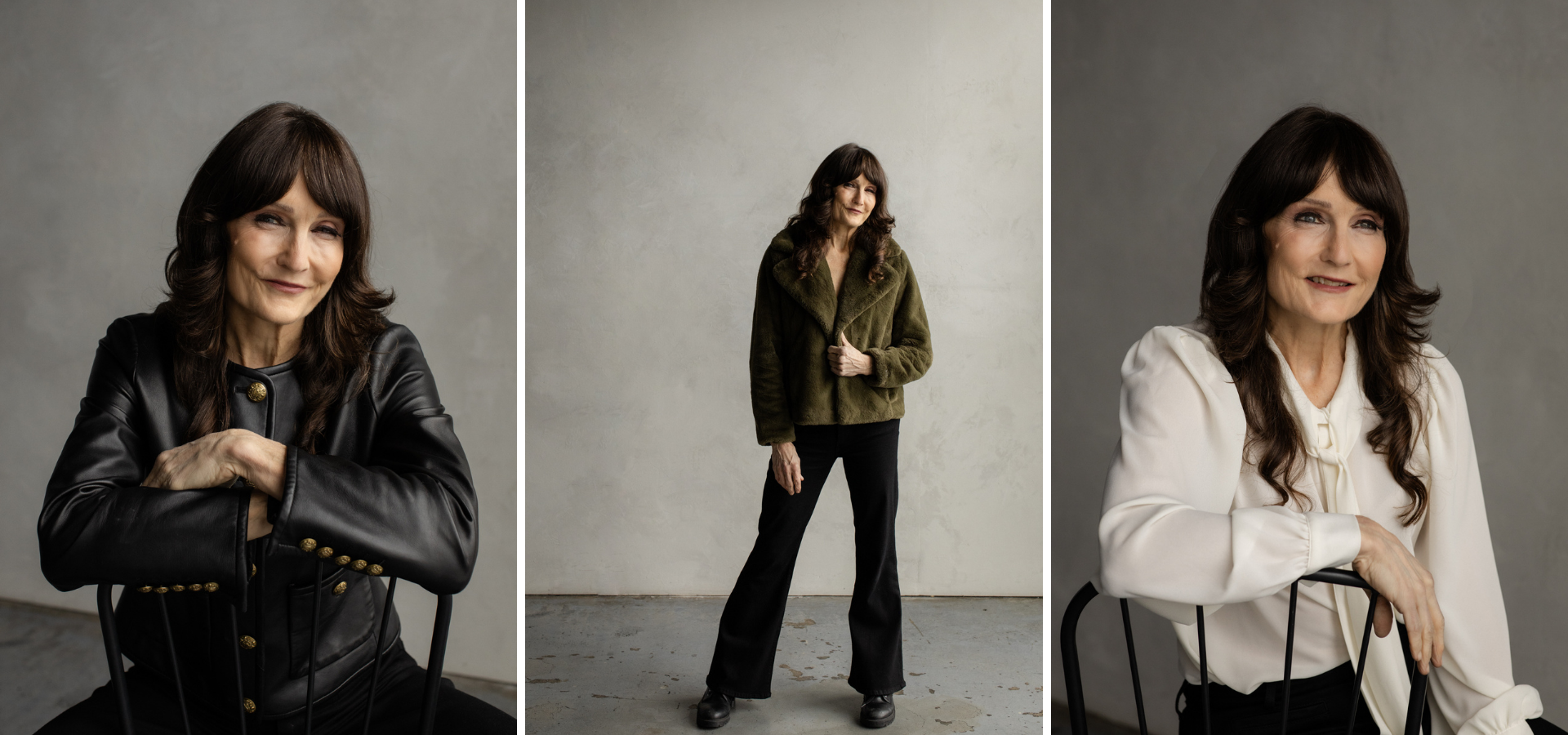
Generally speaking, I suggest avoiding patterns but intentionally choosing clothes, especially whatever you’re wearing on top, that have some sort of textured fabric. Texture—like a sweater knit, a slight (slight!) sheen, or even linen or velvet—adds interest without distraction. The photos below show leather, fuzzy velour, and light chiffon, all of which have a very subtle, but pretty way of reflecting light and creating shadows that your standard cotton knit doesn’t do.
Patterns can work, but they need to be chosen carefully.
Avoid tight patterns like:
Pinstripes
Tiny polka dots
Small checks
These can create something called a moire effect, where patterns appear to shimmer or warp on digital screens.
Final prep: the details that elevate everything
These are the small things that make a very big difference.
Wrinkles
Again, everything should be steamed or ironed ahead of your session.
Yes—everything. (It’s amazing how many times I’ll say this and people still don’t iron their clothes.) Wrinkles are still difficult to remove through without looking weirdly Photoshopped. If possible, transport clothing on hangers and change right before your session.
If you’re having a hard time keeping your outfit wrinkle-free, then it’s probably not the best option.
Simple grooming tips
Drink plenty of water and moisturize your skin and lips in the week leading up to your headshot photos.
Keep makeup natural and true to how you normally look.
Light matte powder or oil blotting sheets can help reduce shine under studio lighting.
If you shave, go slowly and carefully right before your session.
Schedule haircuts a week or so before your session, not right before.
Accessories
Keep jewelry and accessories simple and intentional. If something draws attention before your face does, it’s probably too much.
If you wear glasses regularly, bring them, but just make sure they’re spotless.
Remove any Apple watches or wearable tech for your headshot—they can make images look dated more quickly.
Ask your photographer for guidance or a second opinion
They can give you specific instruction for what you’ll best in considering your complexion, hair color, space you’re photographing in, and style of lighting. For all my clients, no matter the session type, I’m always open to them sending me photos or a video of their clothing options before we meet for me to give feedback on.
I know that’s all a lot to take in. When deciding what to wear for professional headshots, you do not need a perfect outfit. You just need something that fits well, feels good, and supports your natural presence.
Time for new headshots? I photograph both individuals and teams…get in touch!